


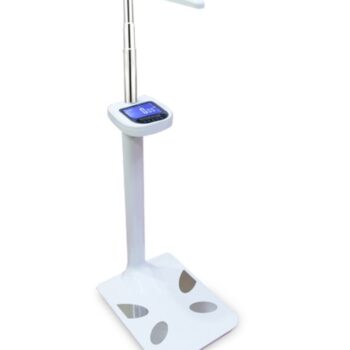
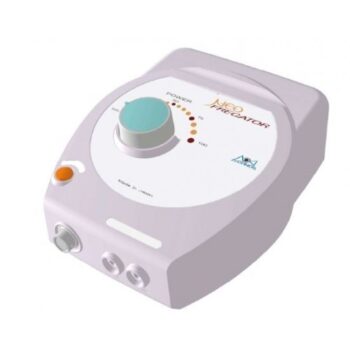
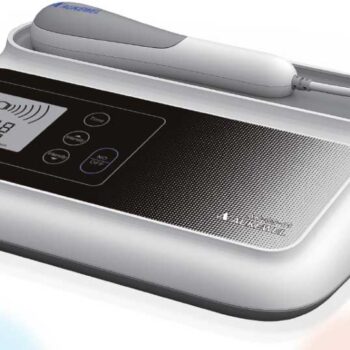
An electric rehabilitation device is a broad term for a type of medical equipment used in physical therapy and rehabilitation medicine to help patients recover movement, strength, function, and reduce pain after injuries, surgeries, illnesses (like stroke), or neuromuscular disorders. These devices use electricity in controlled ways to stimulate muscles and nerves or support movement during therapy.
1. Electrical Stimulation Devices
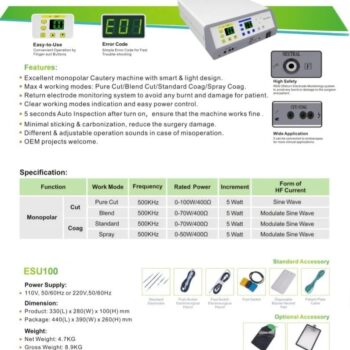
These send controlled electrical pulses to nerves or muscles to help them contract or train them. There are a few common types:
-
TENS (Transcutaneous Electrical Nerve Stimulation):
Sends low-energy pulses through electrodes on the skin to reduce pain. It’s common for back pain, joint pain, and nerve pain. -
EMS / NMES (Electrical Muscle Stimulation / Neuromuscular Electrical Stimulation):
Sends electrical impulses to activate muscles, especially useful for strengthening weak muscles, preventing muscle atrophy, or retraining movement patterns after injury or stroke. -
Functional Electrical Stimulation (FES):
A more advanced type used to produce purposeful movement—for example, stimulating leg muscles to help with walking in people with paralysis from spinal cord injury or stroke.
These electrical rehabilitation devices are often used under the guidance of physiotherapists as part of a broader rehabilitation plan.
Other Electric Supportive Rehabilitation Tools
Besides electrical stimulation, “electric rehabilitation device” can also refer to powered mechanical equipment that supports movement or exercise, such as:
-
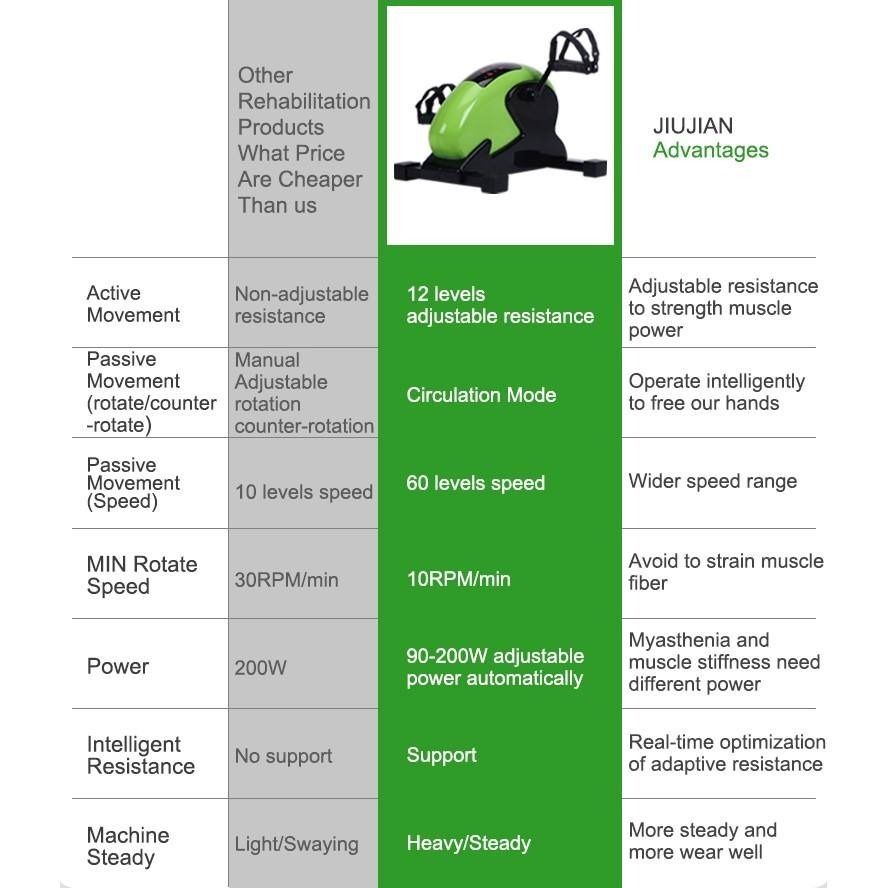
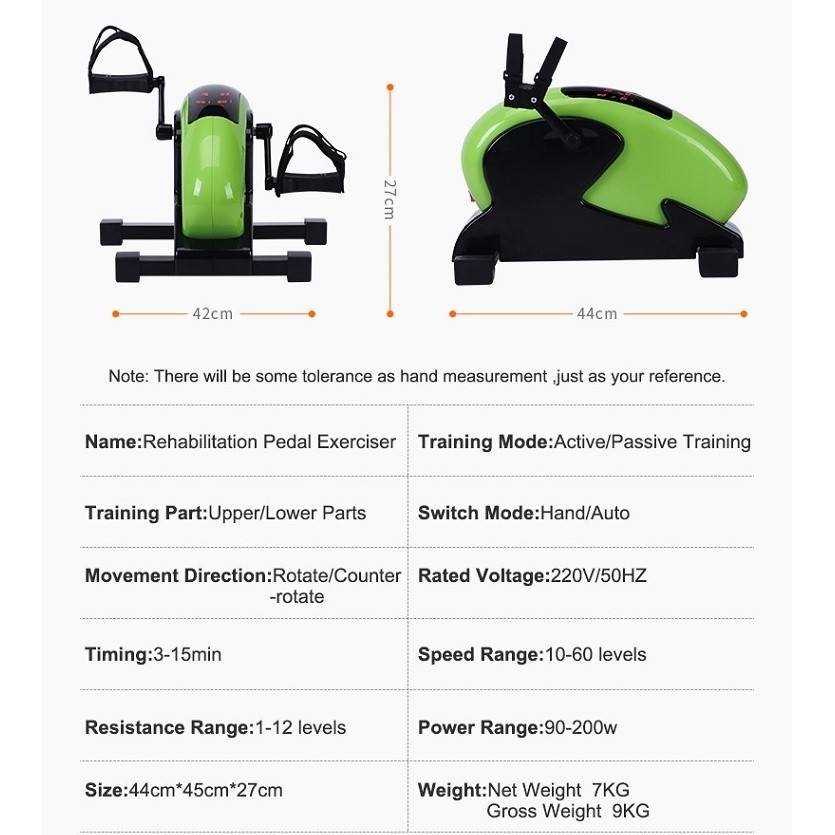
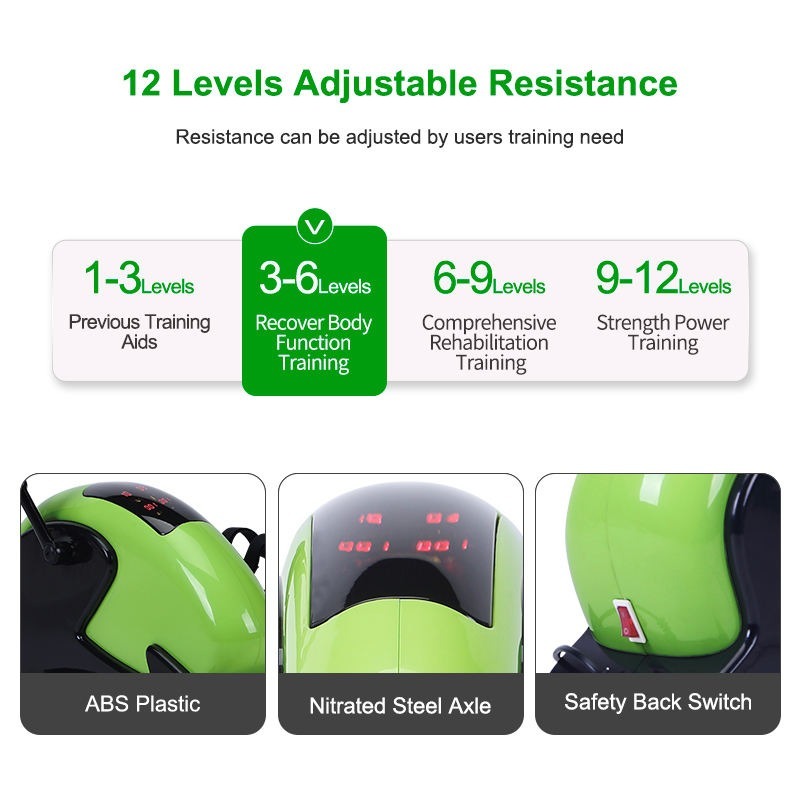
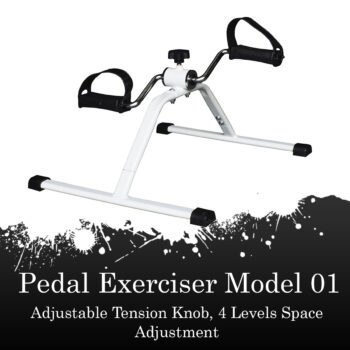
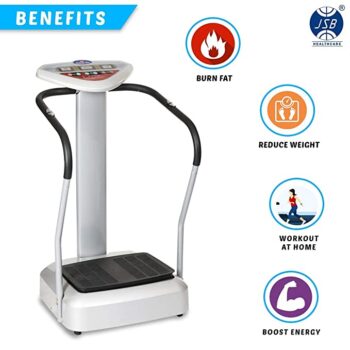
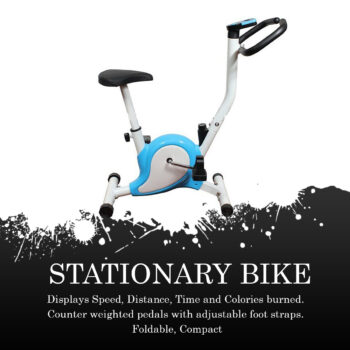
Motorized exercise machines for arms or legs that assist patients in performing repetitive movements.
-
Electric adjustable therapy tables or beds that help therapists position patients and assist with stretching or mobilization.
These devices help patients perform therapeutic exercises with adjustable resistance, speed, and support, which can speed up recovery and reduce strain.
Why These Devices Are Used
Electric rehabilitation devices are typically used to:
✔ Improve muscle strength and coordination
✔ Reduce pain and muscle spasms
✔ Enhance motor function after neurological injuries (e.g., stroke)
✔ Prevent muscle atrophy when mobility is limited
✔ Support functional movement retraining
They are part of a comprehensive rehabilitation program that may also include physical exercises, manual therapy, occupational therapy, and patient education.
Safety & Use
Although many electric rehab devices are safe when used correctly, they must be used under professional guidance—especially if the user has conditions like a pacemaker, epilepsy, or significant tissue injury. Incorrect use can cause discomfort or faint sensations.
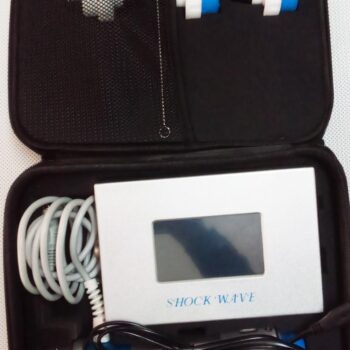
If you have a specific model (like “JJKF03-01”) and want help identifying its exact function or specs, feel free to share more details (picture, manufacturer, or where you saw it), and I can look it up for you.




























Reviews
There are no reviews yet.